

Turn on the TV (news, movie, shows) or head out into society and experience the reality of human existence. However you choose to engage the culture, a glaring truth is evident—people are selfish, nasty creatures–in short, we are sinful. I do not mean there aren’t moments of decency, kindness, compassion, etc. Characteristics and virtues we would label as morally good have to be learned and developed as disciplines; they are not instinctual to human nature, but sin is. I didn’t have to teach my children to lie or steal, they seemed to figure that on their own, even though the cartoons they grew up watching taught them the opposite. “Sin is universal—we all sin…God is in no way responsible for sin. Satan introduced sin when he beguiled Eve, but the Bible does not teach that sin had its origin with him either. Sin’s origin is to be found in humanity’s rebellious nature.[1]”
What we find on TV and in culture are many people willingly going against God’s moral directives, and in many instances actually celebrating certain behaviors. The challenge I pose is to anyone who believes that God celebrates sinful behavior. Looking though the pages of Scripture, I assure that He does not celebrate sin. Herein belies our poor, misguided, or outright ignorant understanding of what sin is and how God feels towards it.
First, a definition for sin: “Evildoing seen in religious perspective, not only against humanity, society, others, or oneself, but against God.[2]” God, as the Creator of all things, is the One who establishes boundaries for creation’s existence. He employs and sustains the natural laws by which the universe exists. Additionally, it is from God’s moral nature that we possess morals; it is a result of Adam and Eve’s sin that we initially came to understand the difference between good and evil (Genesis 3), and that understanding came with a price. “Since Adam and Eve rebelled against the clear command of God, sin has infected humanity like a dread malignancy.[3]” Adam and Eve’s rebellion against God’s one rule in the Garden of Eden did several things:
- Broke the relationship between God and mankind
- Got Adam and Eve kicked out of Eden
- God declared curses upon them and humanity for their rebellion
- God set in motion a plan of redemption that would end up costing Him the (human) life of His Son
As stated above, sin is a plague (malignancy) with which mankind struggles. Sadly, many (if not most) people don’t appear to struggle with sinful behavior and, in fact, actually enjoy and relish in it. “Humanity both inherits a sinful nature and every person is indeed responsible for his/her choice of sin.[4]” And here we see the other side of that coin—each of us bears responsibility for our sin. Denying God exists does not exonerate one because if God does truly exist (and He does), He will hold each person accountable for their acts of rebellion against Him. No one is innocent; we are all guilty of disobeying God (Ps 14:1, Rom 3”10). “The OT also pictures sin as a violation of the righteous nature of God. As the righteous and holy God, He sets forth as a criterion for His people a righteousness like His own (Lev. 11:45). Any deviation from God’s own righteousness is viewed as sin.[5]”
The Bible is full of examples for how God responds to sin. Already mentioned is that Adam and Eve were removed from Eden and their fellowship with God was broken because of their sin. Moses, God’s leader and spokesman for Israel after being freed from slavery in Egypt sinned against God and was forbidden to enter the Promised Land (Num 20:1-13, Deut. 32:48-52). King Saul took it upon himself to offer sacrifice to God instead of waiting for Samuel and his sin cost him the kingdom, which was then passed to David (1 Sam 13:1-14). David’s adultery with Bathsheba and murder of her husband brought terrible repercussions throughout his reign (2 Sam Ch 11-18).
The story of mankind is filled with example after example of how each and every one of us has failed to follow God’s commands (Ex 20:3-17). Commonly referred to as the Ten Commandments, these directives from God to the nation of Israel in the Book of Exodus provided the foundation for moral living to those people. God established a nation that was to be set apart from the rest of the world, who would live life in a way honoring God and behave differently from every other culture. What we see is that not a single one of them (or us) can live with 100% adherence to God’s statutes. Our propensity and inclination towards sin gets in the way.
What we need to understand about God is that He is righteous and just. As moral goodness is part of His very nature, anything contrary is evil and sinful and separates us from Him. Those who choose to continue life in such a manner are facing a day of reckoning, when their deeds will be held against them; their lifetime of sin and rebellion carries eternal weight and burden (Rev 20:11-15). Thankfully, there is good news to counter all this bad news.
The Christian worldview holds that society is split into two groups—saved and lost, OR unrepentant sinners and repentant sinners (degenerate and regenerate). The line of division between these two groups is found in Jesus. The sacrificial system God established in the OT (Leviticus) as well as the feasts the people of Israel were to celebrate, were a foreshadow for the coming, life, ministry, sacrifice, and resurrection of Jesus. Under God’s law, only Jesus lived a life in keeping with His statutes, making Him (and Him alone) sinless before God. This sinless status qualified Jesus to be the sacrifice for all mankind. Jesus willingly laid down His life to redeem everyone who will come to Him, accept the free gift of forgiveness, and willingly surrender to His Lordship.
With God’s attitude towards sin, and the great cost to Him in order to redeem mankind from sin’s grasp and fate (death and eternal torment & separation from God), how is it that anyone can claim God is okay with and actually celebrates sinful activity? I find nothing in Scripture where God celebrates sin in any way, shape, or form. There are instances where we see God condoning sinful activity, however that does not mean He approves it. The Bible is explicit that the wages of sin is death (Rom 6:23) BUT the gift of God is eternal life through Jesus Christ our Lord. This DOES NOT give us license to sin, especially if we identify as Christians.
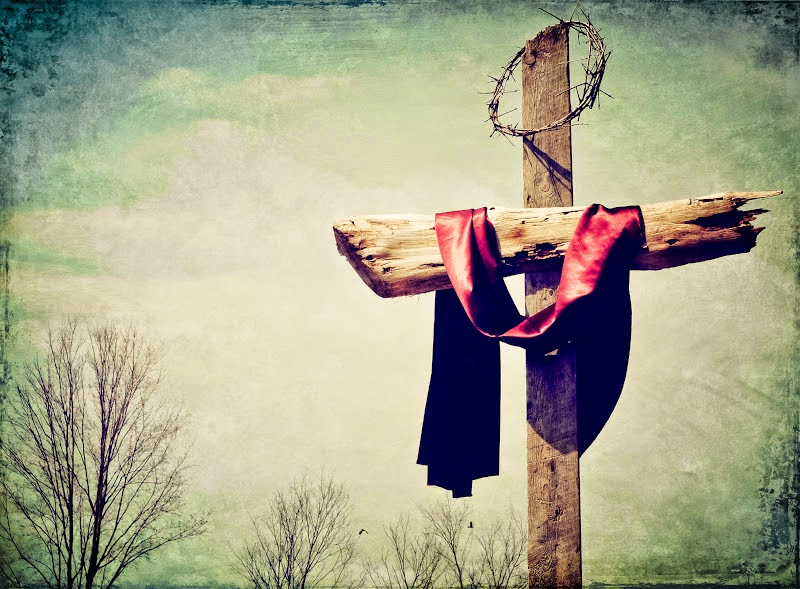
Again, I challenge anyone who believes that God is okay with sinful activity / behavior to take a hard look at the teachings of Scripture. God CANNOT be in the presence of sin (God is holy). Blood had to be shed to cover when mankind sins (sacrificial system and Jesus’ crucifixion). Ultimately, those who have rejected Jesus’ sacrifice and gift of forgiveness & eternal life will be judged for their sin filled lives (Great White Throne). These will be judged by Jesus (Himself) Who has been given that authority by God the Father. If you have read this and believe there are exceptions to what is sinful behavior as declared in the Bible please comment or email with references from Scripture and reasoning for your position. I am confident that I can respond from Scripture and without a doubt, it will be shown that God DOES NOT celebrate sin.
~In Christ!
[1] Simmons, B. E. (2003). Sin. In C. Brand, C. Draper, A. England, S. Bond, E. R. Clendenen, & T. C. Butler (Eds.), Holman Illustrated Bible Dictionary (p. 1505). Nashville, TN: Holman Bible Publishers.
[2] White, R. E. O. (1988). Sin. In Baker encyclopedia of the Bible (Vol. 2, p. 1967). Grand Rapids, MI: Baker Book House.
[3] Simmons, B. E. (2003). Sin. In C. Brand, C. Draper, A. England, S. Bond, E. R. Clendenen, & T. C. Butler (Eds.), Holman Illustrated Bible Dictionary (p. 1505). Nashville, TN: Holman Bible Publishers.
[4] Simmons, B. E. (2003). Sin. In C. Brand, C. Draper, A. England, S. Bond, E. R. Clendenen, & T. C. Butler (Eds.), Holman Illustrated Bible Dictionary (p. 1505). Nashville, TN: Holman Bible Publishers.
[5] Simmons, B. E. (2003). Sin. In C. Brand, C. Draper, A. England, S. Bond, E. R. Clendenen, & T. C. Butler (Eds.), Holman Illustrated Bible Dictionary (p. 1505). Nashville, TN: Holman Bible Publishers.
 Way Truth Life Apologetics
Leave a comment